Source Car Seat Fan for Microbus, Mini Car, and Truck
Explore 30 verified car seat fan options with electric or battery power sources. Buyers can compare models like F24 and CF03, noting variations in voltage, wind speed, and material to find the right fit for microbuses, mini cars, and trucks.
Key considerations
Products List


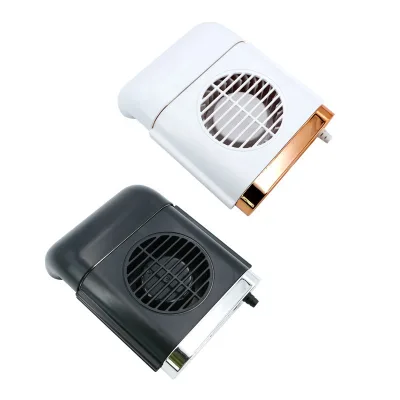


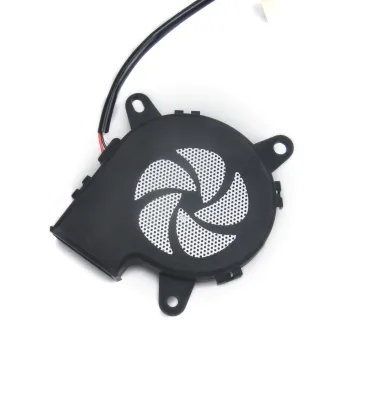
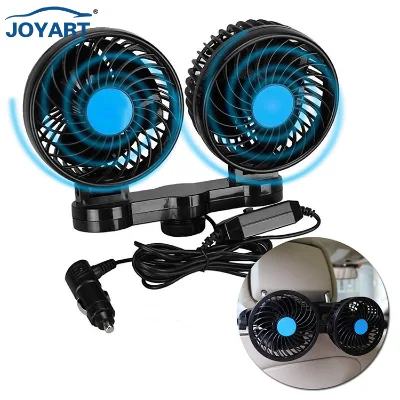
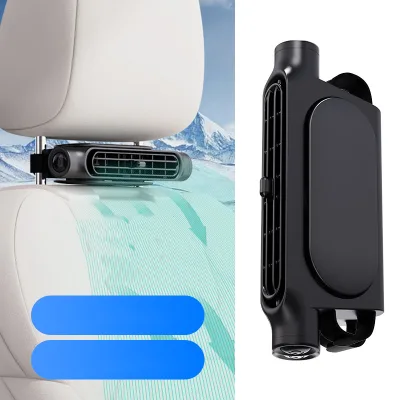


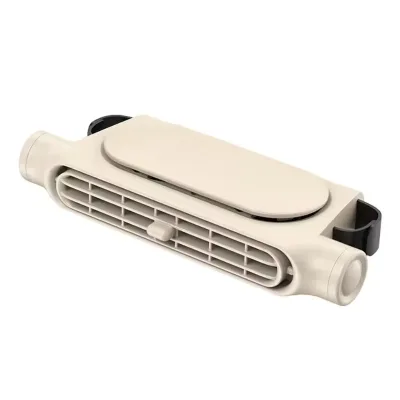

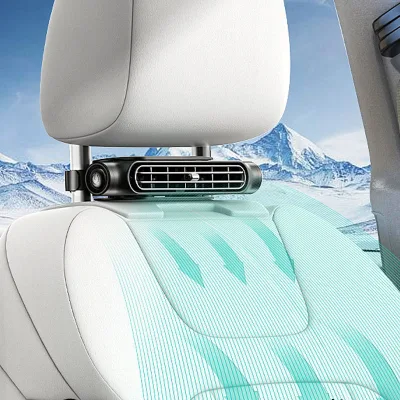
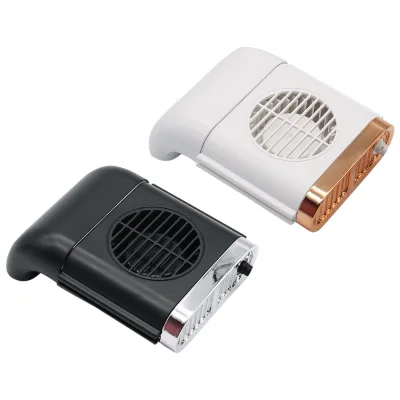


Comprehensive Sourcing Guide
Car Seat Fan Sourcing Guide
Sourcing car seat fans requires careful attention to electrical compatibility and physical fitment, as these devices serve as critical comfort solutions for drivers and passengers in various vehicle types. The observed market includes products designed for microbuses, mini cars, standard cars, trucks, and lorries, indicating a broad application scope that demands universal fitment considerations. Buyers must evaluate whether the fan’s mounting mechanism, such as sucker fixing, aligns with the interior materials of their target vehicles to ensure secure installation during travel.
Procurement decisions should also weigh the power source options available, ranging from electric plug-in models to battery-operated units, as this choice directly impacts usability and vehicle integration. The presence of customization options allows buyers to tailor products to specific brand identities or functional requirements, but it introduces complexity in supply chain management. Understanding these foundational attributes helps in selecting suppliers who can deliver reliable, versatile cooling solutions that meet diverse automotive interior needs without compromising safety or performance.
Product Scope and Observed Listing Signals
The current market listings reveal a wide price range from $1.68 to $1,000,000, which suggests significant variation in product quality, volume, and potential bundling with other automotive accessories. Minimum order quantities (MOQs) span from 1 to 20,000 units, offering flexibility for both small-scale retailers and large distributors. This disparity indicates that buyers should clearly define their volume requirements early in the sourcing process to negotiate favorable terms and avoid unnecessary inventory costs or stockouts.
Observed product attributes highlight key differentiators such as power ratings of 2.5W, 10W, and 20W, alongside voltage options primarily at 5V. These specifications suggest that some models are designed for low-power USB connections, while others may require higher capacity power sources. Buyers should verify the exact power requirements for each model to ensure compatibility with their target vehicle’s electrical system, preventing potential damage or inefficient operation. Additionally, features like three-speed adjustable wind speed and low noise operation are common selling points that enhance user experience.
Technical Specifications to Verify
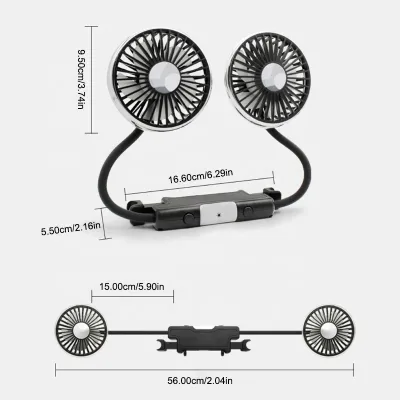
Technical verification must begin with physical dimensions and packaging details, as these factors influence storage, shipping, and retail display strategies. Products are observed with single package sizes ranging from 17.5x7.5x3.5cm to 26x18.5x7cm, and gross weights between 0.450kg and 0.500kg for individual units. Larger carton quantities, such as 100PCS per carton, suggest bulk shipping efficiencies, but buyers must confirm carton dimensions and total weight to calculate accurate freight costs and warehouse space requirements.
Electrical specifications require rigorous checking, particularly regarding input current and rated speed. Models with an input current of 2A and rated speeds between 3000rpm and 4500rpm indicate robust airflow capabilities, which are essential for effective cooling in hot climates. Buyers should request detailed datasheets to confirm voltage stability and power consumption under different speed settings. Additionally, material composition, such as ABS plastic, should be verified for durability and heat resistance, ensuring the fan can withstand prolonged use in varying temperature conditions without deforming or failing.
Compliance and Safety Documentation
Compliance documentation is critical for importing automotive accessories, as regulations vary significantly across different markets. Products are observed with CE, ROHS, and CCC certifications, which are essential for selling in Europe, China, and other regions with strict safety and environmental standards. Buyers must verify the validity of these certificates with the issuing bodies to ensure they are current and applicable to the specific models being sourced. Failure to obtain proper certification can result in customs delays, fines, or product recalls.
Safety features, such as low noise operation and stable mounting, should be supported by test reports from accredited laboratories. Buyers should request evidence that the fans meet relevant electrical safety standards, including insulation resistance and leakage current tests. Additionally, environmental compliance, such as ROHS, ensures that the products do not contain hazardous substances, which is increasingly important for consumer trust and regulatory adherence. Procurement teams should maintain a checklist of required documents for each target market to streamline the approval process.
Cost Drivers and Commercial Terms
Cost drivers for car seat fans include material quality, electronic component sourcing, and packaging complexity. The use of ABS plastic and specific motor designs influences the base manufacturing cost, while customization options like branding or unique shapes add to the expense. Buyers should analyze the cost breakdown to understand where value is added and negotiate accordingly. Volume discounts are likely available for orders exceeding standard MOQs, so consolidating purchases can lead to significant savings.
Commercial terms such as payment methods, lead times, and warranty policies are crucial for risk management. Buyers should clarify whether prices are FOB, EXW, or CIF, as this affects total landed cost. Lead times can vary based on production capacity and customization requirements, so establishing clear timelines is essential for inventory planning. Warranty terms should be explicitly defined, covering defects in materials and workmanship, to protect against post-purchase issues. Understanding these terms helps in building a sustainable and profitable supply chain.
Supplier Qualification and Quality Control
Supplier qualification involves assessing manufacturing capabilities, quality management systems, and past performance. Buyers should verify that suppliers have experience in producing automotive accessories and adhere to international quality standards. Factory audits, either virtual or on-site, can provide insights into production processes, raw material sourcing, and final inspection procedures. Suppliers with robust quality control systems are more likely to deliver consistent products that meet specified technical requirements.
Quality control measures should include pre-production samples, in-process inspections, and final random inspections before shipment. Buyers should define acceptable quality limits (AQL) and communicate these clearly to the supplier. Additionally, establishing a feedback loop for any defects or non-conformities helps in continuous improvement. Suppliers who proactively address quality issues and provide detailed inspection reports demonstrate reliability and commitment to customer satisfaction, reducing the risk of receiving substandard products.
Long-Term Procurement Checks
Long-term procurement success depends on continuous monitoring of supplier performance and market trends. Buyers should regularly review supplier metrics such as on-time delivery rates, product quality consistency, and responsiveness to issues. Establishing key performance indicators (KPIs) helps in objectively evaluating suppliers and identifying areas for improvement. Regular communication and periodic performance reviews foster stronger partnerships and ensure alignment on quality and service expectations.
Market dynamics, including technological advancements and changing consumer preferences, also require ongoing attention. Buyers should stay informed about new features, such as improved energy efficiency or smart connectivity, that could enhance product competitiveness. Additionally, monitoring regulatory changes in target markets ensures continued compliance and avoids disruptions. By maintaining a proactive approach to supplier management and market analysis, buyers can secure a reliable supply of high-quality car seat fans that meet evolving customer needs.
FAQs
What power sources are available for car seat fans?
Car seat fans typically use electric power via USB connections or battery operation. Some models operate at 5V with low wattage, while others may use higher power ratings. Buyers should check the specific voltage and power source requirements to ensure compatibility with their vehicle's power outlets or portable battery packs for reliable performance.
Which certifications do these fans usually hold?
Many car seat fans hold CE, ROHS, and CCC certifications, ensuring compliance with safety and environmental standards. These certifications indicate that the products meet specific regulatory requirements for electrical safety and material composition. Buyers should verify the exact certification list for each model to ensure they meet their regional compliance needs before placing bulk orders.
Can car seat fans be customized for branding?
Yes, customization is available for many car seat fan models. Buyers can often request specific branding, packaging, or design modifications to suit their market needs. This service allows businesses to create unique products that align with their brand identity. It is advisable to discuss customization options and minimum order quantities directly with suppliers to ensure feasibility.
What is the typical wind speed range for these fans?
The rated speed for many car seat fans ranges from 3000rpm to 4500rpm. These fans often feature three adjustable wind speeds, allowing users to control airflow intensity. This variability ensures comfort in different weather conditions. Buyers should check the specific model specifications to confirm the exact speed settings and noise levels associated with each wind speed option.
What materials are used in car seat fan construction?
Car seat fans are commonly constructed from ABS plastic or general plastic materials. These materials provide durability and lightweight properties suitable for automotive use. The design often includes features like novel shapes and unique aesthetics. Buyers should review the material specifications for each model to ensure they meet quality and safety expectations for their intended application.
How are car seat fans packaged for shipping?
Packaging typically includes individual color boxes or cartons for bulk shipping. Single package sizes vary, with dimensions around 20x20x12 cm for individual units. Bulk cartons may contain multiple units, such as 100 pieces per carton. Buyers should confirm the packaging details and carton dimensions to plan storage and logistics efficiently, ensuring products arrive in good condition.
What is the typical MOQ for car seat fans?
The minimum order quantity for car seat fans can range from 1 to 20,000 units, depending on the supplier and customization requirements. Standard models may have lower MOQs, while customized orders might require higher volumes. Buyers should inquire about specific MOQ policies to align with their inventory needs and budget constraints, ensuring a smooth procurement process.